▶ Doctor Video Answer · 1 min 19 sec Watch · Video in Telugu
Are your eyes looking red? Don't ignore it.
Medically reviewed & explained by Dr. Arun Kumar Reddy Appidi (MS (Ophthalmology)) · Ophthalmologist in Siddipet · Last Reviewed 2026-03-30
Video Answer Summary
Red eyes can be caused by allergies, dust, infections, dry eyes, or prolonged screen use. However, redness can sometimes indicate a serious eye condition, including acute glaucoma. Do not use steroid eye drops or random pharmacy eye drops without medical advice, because inappropriate steroid use can raise eye pressure and damage the optic nerve.
Seek immediate emergency medical care if:
- Seek urgent eye care for a red eye with severe pain, sudden vision changes, or significant light sensitivity.
- A red eye with severe headache, nausea, or vomiting may indicate acute angle-closure glaucoma and requires emergency assessment.
- Get immediate medical attention for chemical exposure or a penetrating eye injury.
- Do not use steroid eye drops without appropriate medical supervision.
When to schedule a doctor consultation:
- Consult an ophthalmologist if eye redness persists, recurs, or is accompanied by discharge, itching, or discomfort.
- Avoid self-prescribing antibiotic or steroid eye drops.
- Do not share eye drops or use another person's prescription medication.
- Avoid rubbing your eyes and maintain good hand hygiene.
- Take regular breaks during prolonged screen use and blink frequently.
- Seek professional advice before using eye drops if you wear contact lenses.
About the Doctor
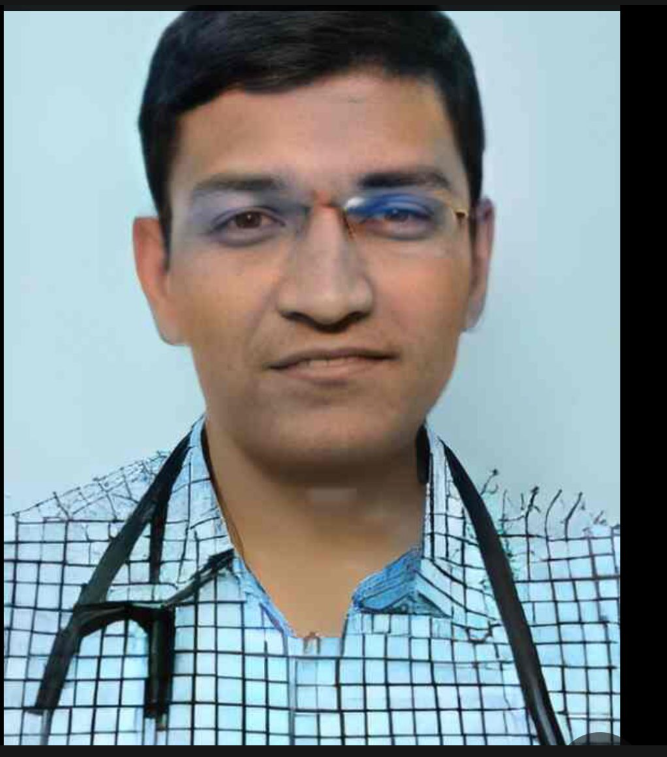
Dr. Arun Kumar Reddy Appidi — Ophthalmologist, MS (Ophthalmology), 15 yrs experience, IMAGE HOSPITAL, Siddipet. Book Appointment — Dr. Arun Kumar Reddy Appidi
Detailed Answer from Dr. Arun Kumar Reddy Appidi
Why are my eyes red?
Red eyes occur when blood vessels on the surface of the eye become enlarged or inflamed. The cause may be minor, but persistent or sudden redness should not automatically be dismissed as tiredness or lack of sleep.
Common causes include:
- Allergies: Redness, itching, and watery eyes, often affecting both eyes.
- Dust or irritation: Exposure to dust, smoke, or other irritants can make the eyes red and uncomfortable.
- Eye infections: Viral or bacterial conjunctivitis may cause redness, watering, discharge, or eyelids sticking together.
- Screen-related eye strain: Long periods using a phone or computer can contribute to dryness, irritation, and redness.
- Other eye conditions: Inflammation or increased pressure inside the eye can sometimes cause redness and may require urgent treatment.
Can I use eye drops from a pharmacy?
It is best to avoid choosing medicated eye drops without knowing the cause of the redness. Different eye drops treat different conditions, and the wrong medication can delay appropriate treatment or make some problems worse.
Be particularly careful with steroid eye drops. When used without appropriate medical supervision, they can increase eye pressure, contribute to optic nerve damage, worsen certain infections, and cause other complications. Do not use someone else's prescription eye drops or leftover steroid drops.
What should I do if my eyes become red?
- Arrange an eye examination if redness persists, recurs, or is accompanied by other symptoms.
- Avoid rubbing your eyes and wash your hands regularly.
- If you use screens for long periods, take regular breaks and blink frequently.
- Avoid sharing towels, eye cosmetics, or eye drops if an infection is possible.
- Ask an ophthalmologist or pharmacist about suitable lubricating drops when appropriate, especially if you wear contact lenses or have other eye conditions.
- Do not stop or change prescribed eye medication without discussing it with your clinician.
When is a red eye an emergency?
Seek urgent eye care if redness is accompanied by severe eye pain, sudden blurred or reduced vision, marked sensitivity to light, severe headache, nausea, or vomiting. These symptoms can indicate a serious condition such as acute angle-closure glaucoma. A chemical splash or penetrating eye injury also requires immediate medical attention.
The safest approach is to identify the cause before starting medicated eye drops.
Possible Causes Evaluated by Doctors
- Common causes: Allergic conjunctivitis, Viral conjunctivitis, Bacterial conjunctivitis, Dust, smoke, or environmental irritation, Dry eyes, Digital eye strain from prolonged screen use
- Less common causes: Blepharitis or inflammation of the eyelids, Corneal irritation or a small foreign body, Uveitis or inflammation inside the eye, Contact lens-related irritation or infection
- Serious causes (require screening): Acute angle-closure glaucoma with increased pressure inside the eye, Corneal ulcer or serious corneal infection, Severe inflammation inside the eye, Eye injury or chemical damage
What to Expect During Clinical Evaluation
- Eye history and assessment of pain, discharge, itching, light sensitivity, and vision changes
- Visual acuity testing
- Examination of the eye surface and cornea using a slit lamp when indicated
- Measurement of intraocular pressure when clinically appropriate
- Fluorescein staining to check for corneal scratches or ulcers when indicated
- Additional tests or infection assessment based on examination findings
Key Takeaways
- Red eyes can result from allergies, irritation, infections, dry eyes, or prolonged screen use.
- Some serious eye conditions can also cause redness, so associated symptoms matter.
- Steroid eye drops can increase eye pressure and may worsen certain infections when used incorrectly.
- Avoid self-medicating with prescription eye drops and consult an ophthalmologist when needed.
- Severe pain, sudden vision changes, or redness with headache and nausea requires urgent medical assessment.