▶ Doctor Video Answer · 47 sec Watch · Video in Telugu
Are you experiencing knee pain at a young age?
Medically reviewed & explained by Dr. Naveen Kumar Gujjeti (MBBS,D Ortho (Diploma in Orthopaedics)) · Orthopedic Surgeon in Nizamabad · Last Reviewed 2026-03-30
Video Answer Summary
Knee pain in your 20s or 30s is not always caused by joint wear and tear. Long hours of sitting, low physical activity, muscle weakness, sports injuries, and overuse can contribute to knee pain. Avoid repeatedly taking painkillers without understanding the cause. If the pain persists, worsens, or affects daily activities, consult an orthopedic doctor.
Seek immediate emergency medical care if:
- Seek urgent medical care if knee pain is accompanied by a hot, red, swollen joint and fever.
- Get prompt assessment if you cannot bear weight or straighten the knee after an injury.
- A visibly deformed knee, severe swelling after trauma, or sudden locking requires urgent evaluation.
- Do not use repeated painkiller doses to delay assessment of severe or worsening pain.
When to schedule a doctor consultation:
- Consult an orthopedic doctor if knee pain persists, repeatedly returns, or interferes with daily activities.
- Take movement breaks during long periods of sitting.
- Gradually improve strength and flexibility with exercises suited to your symptoms.
- Increase exercise intensity gradually and avoid pushing through worsening pain.
- Use pain medicines only according to appropriate medical or pharmacist guidance.
- For a minor strain, consider relative rest and a cold pack wrapped in a towel for short periods.
- Seek assessment for recurring knee pain in children and teenagers rather than giving them painkillers repeatedly.
About the Doctor
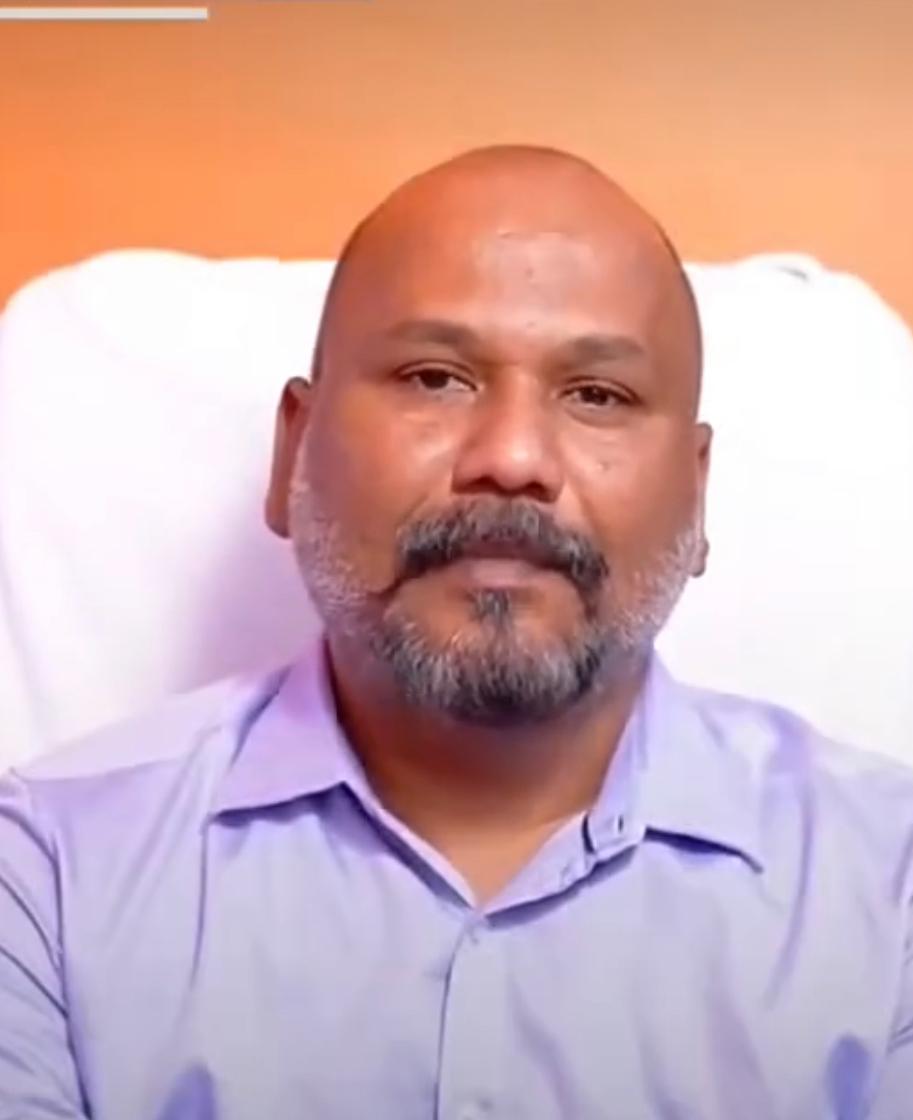
Dr. Naveen Kumar Gujjeti — Orthopedic Surgeon, MBBS,D Ortho (Diploma in Orthopaedics), 15 yrs experience, Aayuksha hospital, Nizamabad. Book Appointment — Dr. Naveen Kumar Gujjeti
Detailed Answer from Dr. Naveen Kumar Gujjeti
Why do I have knee pain at a young age?
Knee pain is often associated with older adults, but it can also affect teenagers and people in their 20s and 30s. It does not automatically mean that your knee joint is wearing out.
Common reasons include:
- Long periods of sitting: Spending hours at a desk or laptop can contribute to stiffness and discomfort, particularly around the kneecap.
- Muscle weakness: Weakness in the quadriceps, hips, or other supporting muscles can affect how forces are distributed across the knee.
- Low physical activity: Limited movement and reduced strength may contribute to pain during everyday activities.
- Overuse or sudden increases in exercise: Repetitive running, jumping, or increasing workout intensity too quickly can irritate the knee.
- Injuries: Ligament, tendon, cartilage, or kneecap problems can cause pain in younger people.
Other causes, including inflammatory joint conditions or arthritis, may need to be considered depending on the symptoms and examination.
Should I take painkillers whenever my knee hurts?
Avoid repeatedly taking painkillers without medical advice. They may temporarily reduce pain without treating the underlying cause, and some medicines can cause stomach, kidney, or other complications when used inappropriately.
If knee pain keeps returning, lasts more than a few days without improvement, or interferes with walking, climbing stairs, or exercise, arrange an assessment with an orthopedic doctor or another qualified healthcare professional.
What can help with knee pain?
- Take regular movement breaks if you sit for long periods.
- Gradually build strength and flexibility with exercises appropriate to your symptoms.
- Avoid activities that clearly worsen the pain until the cause is assessed.
- After a minor strain, relative rest and a cold pack wrapped in a towel may help; do not apply ice directly to the skin.
- Seek professional advice before starting intense workouts or a rehabilitation programme if pain is persistent.
When should I seek urgent medical care?
Get urgent medical assessment if your knee becomes very swollen, hot, or red, particularly with fever; if you cannot bear weight; if the knee looks deformed after an injury; or if it locks or gives way suddenly. Severe pain after an injury should also be assessed promptly.
Remember: Young age does not rule out a knee problem. Identifying the cause early can help you receive the right treatment instead of relying on painkillers alone.
Possible Causes Evaluated by Doctors
- Common causes: Muscle weakness around the knee and hip, Patellofemoral pain associated with activities such as stairs, squats, or prolonged sitting, Low physical activity and stiffness after sitting for long periods, Overuse from running, jumping, or sudden increases in exercise, Tendon irritation
- Less common causes: Meniscus or ligament injury, Growth-related conditions in children and adolescents, Inflammatory joint conditions, Early osteoarthritis in selected cases
- Serious causes (require screening): Septic arthritis, particularly when a hot swollen joint occurs with fever, Significant ligament or cartilage injury, Fracture or other major injury after trauma
What to Expect During Clinical Evaluation
- Medical history covering pain duration, activity, injury, swelling, stiffness, and functional limitations
- Physical examination of knee movement, stability, tenderness, and surrounding muscle strength
- X-ray when indicated by the injury history or clinical findings
- MRI when a significant soft-tissue injury or another specific problem is suspected
- Blood tests or joint fluid analysis when infection or inflammatory arthritis is suspected
Key Takeaways
- Knee pain can affect young adults and children; it is not limited to older people.
- Muscle weakness, prolonged sitting, low activity, overuse, and injuries can contribute to knee pain.
- Pain does not automatically mean that the knee joint is wearing out.
- Repeatedly taking painkillers without finding the cause can delay appropriate treatment and may cause side effects.
- Persistent pain, significant swelling, fever, or difficulty bearing weight requires medical assessment.