▶ Doctor Video Answer · 56 sec Watch · Video in English
When Do You Need Knee Surgery? Signs, Causes & Non-Surgical Options
Question: When do I need knee surgery?
Medically reviewed & explained by Dr. R Manideep Reddy (MS (Orthopaedics)) · Orthopedics, Knee and Shoulder Arthroscopy, Joint Replacement in Nizamabad · Last Reviewed 2026-11-07
Video Answer Summary
Knee or shoulder surgery may be recommended for certain sports injuries, accident-related injuries, rotator cuff tears, frozen shoulder, and severe joint damage. Arthroscopy is a minimally invasive keyhole surgery used for selected joint problems, while joint replacement may be considered when severe joint damage causes significant pain and difficulty with daily activities.
Seek immediate emergency medical care if:
- Seek urgent medical attention after an accident if you have severe joint pain, visible deformity, or cannot move or bear weight on the affected limb.
- A suddenly swollen, hot, and painful joint, especially with fever, requires urgent medical evaluation.
- Seek prompt assessment if you experience sudden severe shoulder pain or are unable to lift your arm after an injury.
When to schedule a doctor consultation:
- Do not ignore persistent knee or shoulder pain.
- Get sports injuries and accident-related joint injuries properly evaluated.
- Follow a physiotherapy programme recommended by your orthopedic specialist.
- Avoid returning to intense sports or exercise before an injury has adequately healed.
- Discuss both surgical and non-surgical treatment options with your doctor.
- Follow post-surgery rehabilitation instructions if an operation is recommended.
About the Doctor
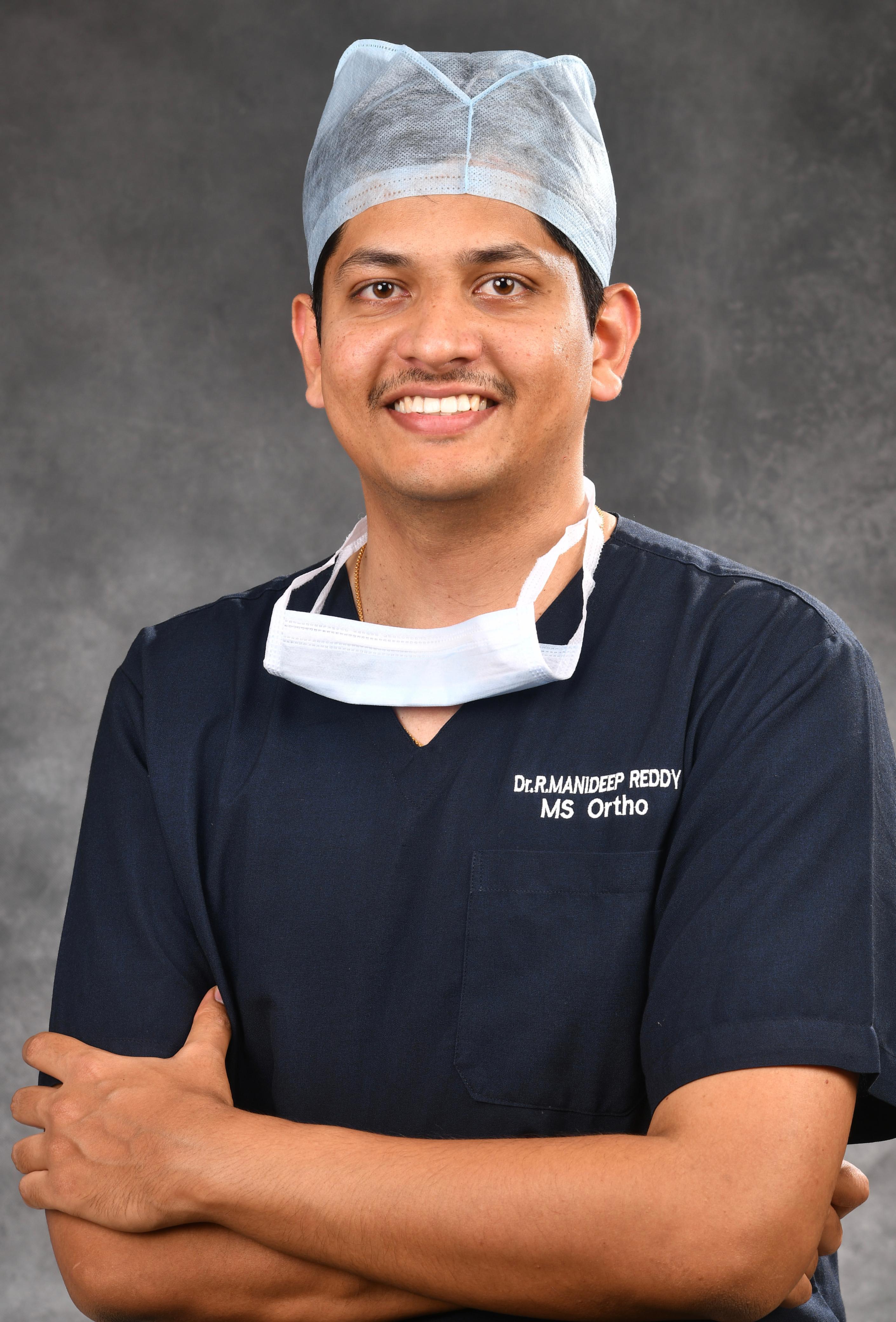
Dr. R Manideep Reddy — Orthopedics, Knee and Shoulder Arthroscopy, Joint Replacement, MS (Orthopaedics), 10 yrs experience, Dr Mani’s Orthopaedic & Sports Medicine Clinic, Nizamabad. Book Appointment — Dr. R Manideep Reddy
Detailed Answer from Dr. R Manideep Reddy
What are arthroscopy and keyhole surgery?
Arthroscopy is a minimally invasive surgical procedure in which an orthopedic surgeon uses a small camera and specialised instruments to examine and treat problems inside a joint. It is commonly used for selected knee and shoulder conditions.
When might knee or shoulder arthroscopy be needed?
An orthopedic surgeon may consider arthroscopy for certain conditions, including:
- Sports-related knee or shoulder injuries
- Injuries following road traffic accidents
- Selected ligament or cartilage injuries in the knee
- Rotator cuff injuries in the shoulder
- Certain shoulder conditions causing pain and restricted movement
Not every injury requires surgery. Some conditions can improve with medication, physiotherapy, and other non-surgical treatments.
What is a rotator cuff injury?
The rotator cuff is a group of muscles and tendons that help stabilise and move the shoulder. An injury or tear can cause shoulder pain, weakness, and difficulty lifting the arm. Treatment depends on the severity of the injury and may include physiotherapy or surgery.
What is frozen shoulder?
Frozen shoulder causes pain and stiffness in the shoulder joint, making arm movements difficult. Treatment often begins with pain management and physiotherapy. Surgery is considered only in selected cases when symptoms remain severe despite appropriate treatment.
When is joint replacement needed?
Joint replacement may be recommended when a joint is severely damaged and causes persistent pain, stiffness, and difficulty performing everyday activities. The decision depends on the patient's condition, examination findings, and response to other treatments.
When should you consult an orthopedic surgeon?
Consult an orthopedic specialist if you have persistent knee or shoulder pain, difficulty moving a joint, or an injury that is not improving. Early assessment can help identify the problem and determine whether physiotherapy, medication, arthroscopy, or joint replacement is appropriate.
Possible Causes Evaluated by Doctors
- Common causes: Sports-related knee and shoulder injuries, Road traffic accident injuries, Rotator cuff injuries, Frozen shoulder, Degenerative joint damage
- Less common causes: Meniscus injuries in the knee, Ligament tears, Cartilage damage, Shoulder instability
- Serious causes (require screening): Severe joint damage that significantly affects movement and daily activities, Major ligament or tendon injuries that cause persistent weakness or instability, Advanced joint degeneration that may require joint replacement
What to Expect During Clinical Evaluation
- Detailed orthopedic examination
- Assessment of joint movement, strength, and stability
- X-ray of the affected joint
- MRI scan to assess ligaments, tendons, cartilage, and other soft tissues when indicated
- Additional investigations before surgery based on the patient's condition
Key Takeaways
- Arthroscopy is a minimally invasive keyhole surgery used for selected knee and shoulder problems.
- Some sports injuries and accident-related injuries may require surgical treatment.
- Rotator cuff injuries and frozen shoulder can affect shoulder movement.
- Joint replacement may be considered for severe joint damage.
- Not every knee or shoulder problem requires surgery.
- An orthopedic specialist can help decide the most suitable treatment.