▶ Doctor Video Answer · 1 min 15 sec Watch · Video in Telugu
What should couples do to increase their chances of getting pregnant naturally?
Medically reviewed & explained by Dr. Bandari Sujatha (MBBS,MD (Obstetrics & Gynaecology)) · Obstetrician & Gynaecologist in Nizamabad · Last Reviewed 2026-11-07
Video Answer Summary
Couples planning a pregnancy can improve their chances of conceiving by understanding the fertile window, maintaining a healthy weight, managing stress, and avoiding smoking, tobacco, and alcohol. Healthy habits support fertility, but conception also depends on factors affecting both partners.
Seek immediate emergency medical care if:
- Seek urgent medical attention for severe pelvic or abdominal pain, fainting, or heavy vaginal bleeding, especially if pregnancy is possible.
- If you become pregnant, seek prompt medical advice for significant pain or bleeding.
When to schedule a doctor consultation:
- Track menstrual cycles to estimate the fertile window.
- Have regular intercourse every two to three days when trying to conceive.
- Avoid smoking, tobacco products, and alcohol while planning pregnancy.
- Maintain a balanced diet, regular physical activity, and a healthy weight.
- Discuss preconception health and folic acid supplementation with a healthcare professional.
- Seek fertility advice based on age, medical history, and how long you have been trying.
About the Doctor
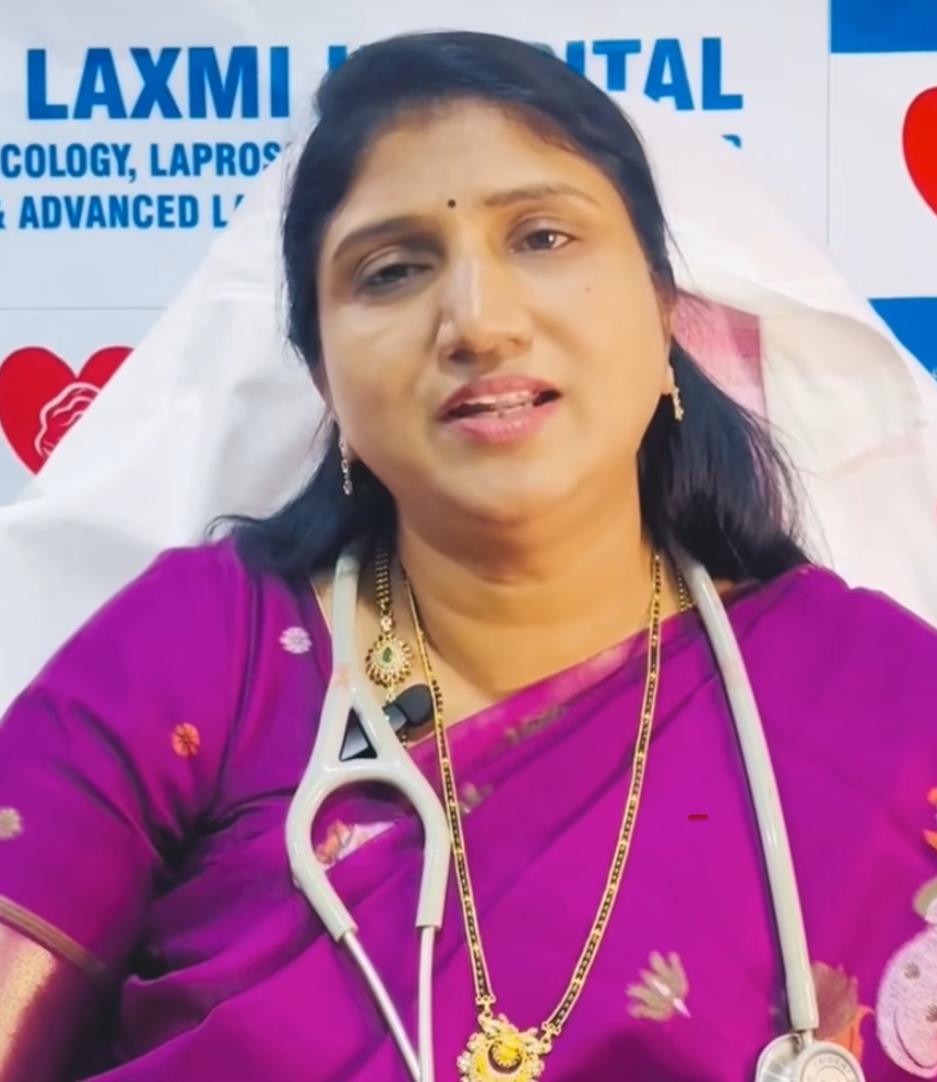
Dr. Bandari Sujatha — Obstetrician & Gynaecologist, MBBS,MD (Obstetrics & Gynaecology), 23 yrs experience, BANDARI GROUP VIJAYALAXMI HOSPITAL, Nizamabad. Book Appointment — Dr. Bandari Sujatha
Find verified Obstetrics and Gynaecology doctors in Nizamabad
Detailed Answer from Dr. Bandari Sujatha
How can couples improve their chances of getting pregnant naturally?
If you are planning to start a family, a few healthy habits can help support fertility for both partners.
1. Understand your ovulation and fertile window
Ovulation is when an ovary releases an egg. In many people with regular menstrual cycles, it occurs approximately 14 days before the next period, although the timing varies. The fertile window includes the five days before ovulation and the day of ovulation. Tracking menstrual cycles and changes in cervical mucus, or using ovulation predictor kits, may help identify this window.
2. Manage stress and look after your well-being
Planning a pregnancy can feel stressful. Relaxation, adequate sleep, physical activity, and emotional support can help you manage stress. Stress does not automatically cause infertility, so avoid blaming yourself if conception takes time.
3. Avoid smoking, tobacco, and alcohol
Smoking and tobacco use can negatively affect reproductive health and sperm quality. Alcohol may also affect fertility and pregnancy health. Avoiding smoking and tobacco and avoiding alcohol when trying to conceive are sensible steps for both partners.
4. Maintain a healthy weight
Being significantly underweight or overweight can affect ovulation and reproductive health. Aim for a balanced diet and regular physical activity rather than rapid weight loss or restrictive dieting. Healthy weight management may support fertility, but it cannot guarantee pregnancy.
Additional advice for pregnancy planning
- Have regular intercourse every two to three days, or during the fertile window.
- The partner who may become pregnant should discuss preconception care with a healthcare professional and generally take 400 micrograms of folic acid daily before pregnancy and during early pregnancy, unless advised otherwise.
- Review regular medications, vaccinations, and existing health conditions with a clinician.
- Seek medical advice if conception is taking longer than expected. Evaluation is generally recommended after 12 months of trying for those under 35, after 6 months for those aged 35 or older, and sooner when there are known fertility concerns or irregular periods.
Remember: Fertility involves both partners. Healthy habits can improve general reproductive health, but they cannot guarantee natural conception.
Possible Causes Evaluated by Doctors
- Common causes: Intercourse that does not coincide with the fertile window, Irregular ovulation, Age-related changes in fertility, Lifestyle factors such as smoking and tobacco use, Reproductive factors affecting either partner
- Less common causes: Polycystic ovary syndrome or other ovulation disorders, Thyroid or other hormonal conditions, Endometriosis or fallopian tube problems, Reduced sperm count or sperm motility
- Serious causes (require screening): Significant reproductive tract disorders, Severe male-factor infertility, Conditions requiring specialist fertility assessment
What to Expect During Clinical Evaluation
- Review of menstrual cycles, ovulation patterns, and pregnancy-planning history
- Assessment of medical history, medications, and lifestyle factors for both partners
- Hormone testing when indicated by menstrual patterns or symptoms
- Semen analysis when fertility evaluation is appropriate
- Pelvic ultrasound or assessment of fallopian tubes when clinically indicated
Key Takeaways
- Understanding ovulation and the fertile window can help with pregnancy planning.
- Smoking and tobacco use can negatively affect fertility in both partners.
- A healthy weight, balanced diet, and regular physical activity support reproductive health.
- Stress management supports well-being but does not guarantee conception.
- Fertility concerns can affect either partner, so assessment may involve both.
- Preconception care and folic acid supplementation are important when planning pregnancy.